

Preface
I hesitated to write this post. Conversations about race carry deep history and emotion, and as a white American, I do not pretend to speak from experience—only from observation and study. What follows is not a lecture on morality, but an exploration of what genetics actually tells us about human difference. Science does not dissolve the social realities of race, but it can clarify what is a biological fact and what is an inherited myth. I hope that understanding the first might help us navigate the second with greater humility and respect.
The M&M Fallacy
I have often heard it said that race does not exist in science. Rather, race is merely a social construct. What does that mean? That simple statement has always felt at odds with what we see. We notice differences—in color, in culture, in ancestry. These patterns seem too striking to be imaginary. So what do scientists really mean when they say race has no biological basis?
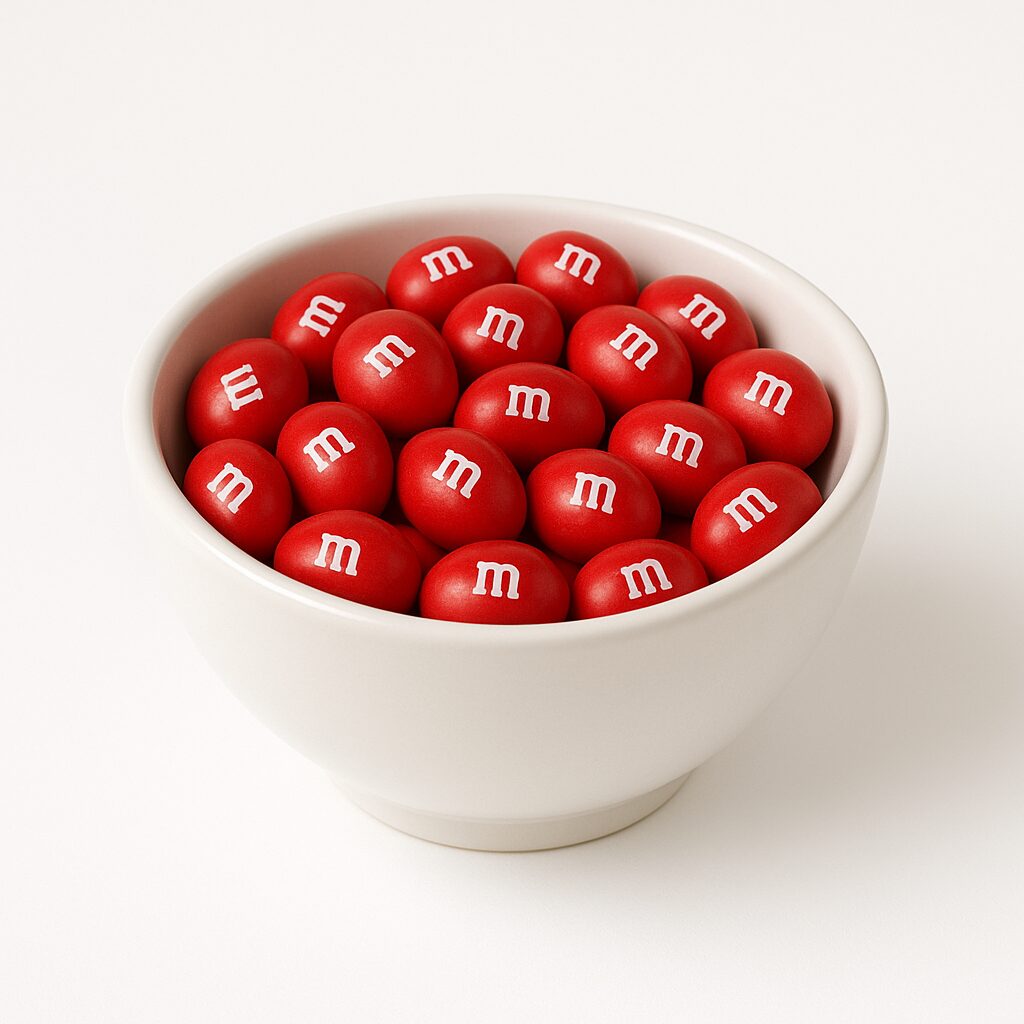
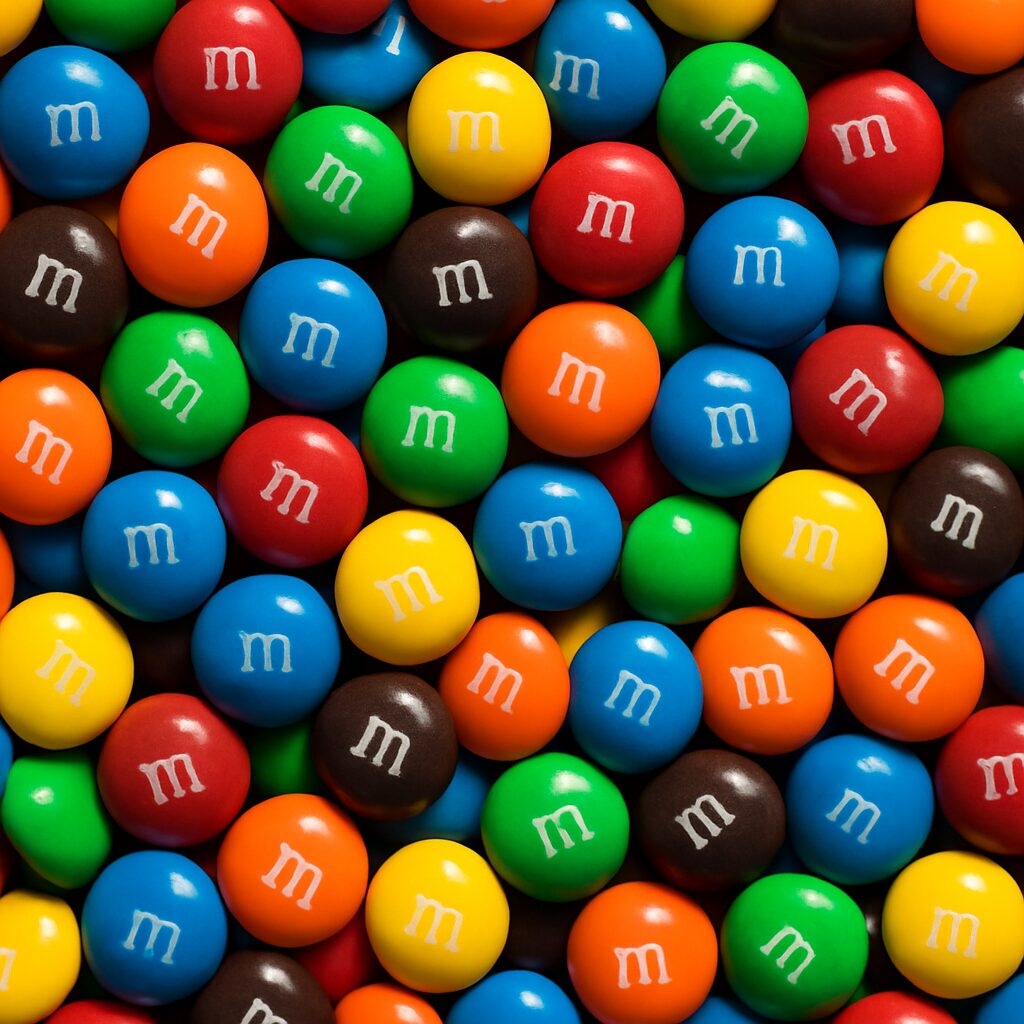
Imagine a bowl of M&Ms. The shells come in different colors—red, green, yellow, blue, brown—but beneath the coating, each is the same: chocolate—and chocolate only. When population geneticists like Richard Lewontin (1972) measured human variation, they discovered that roughly 85 to 90 percent of genetic diversity occurs within any given population, not between so-called races. In other words, two people from different continents may share more genes in common than two people from the same village. Color is a poor proxy for content.
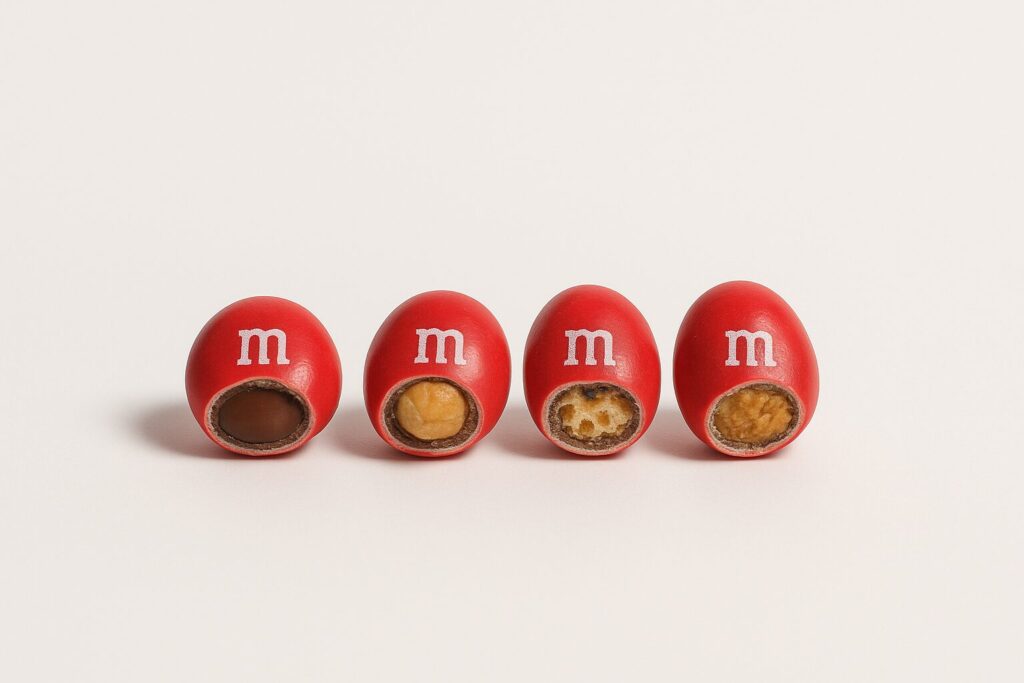
Now add another layer. In the same bowl, mix peanut M&Ms with the regular kind, or even pretzel and almond versions. They share the same colors, but the fillings differ. A red peanut M&M and a red chocolate M&M look alike on the outside yet are fundamentally different inside. Conversely, a blue peanut and a yellow peanut M&M differ in shell but are nearly identical beneath it.
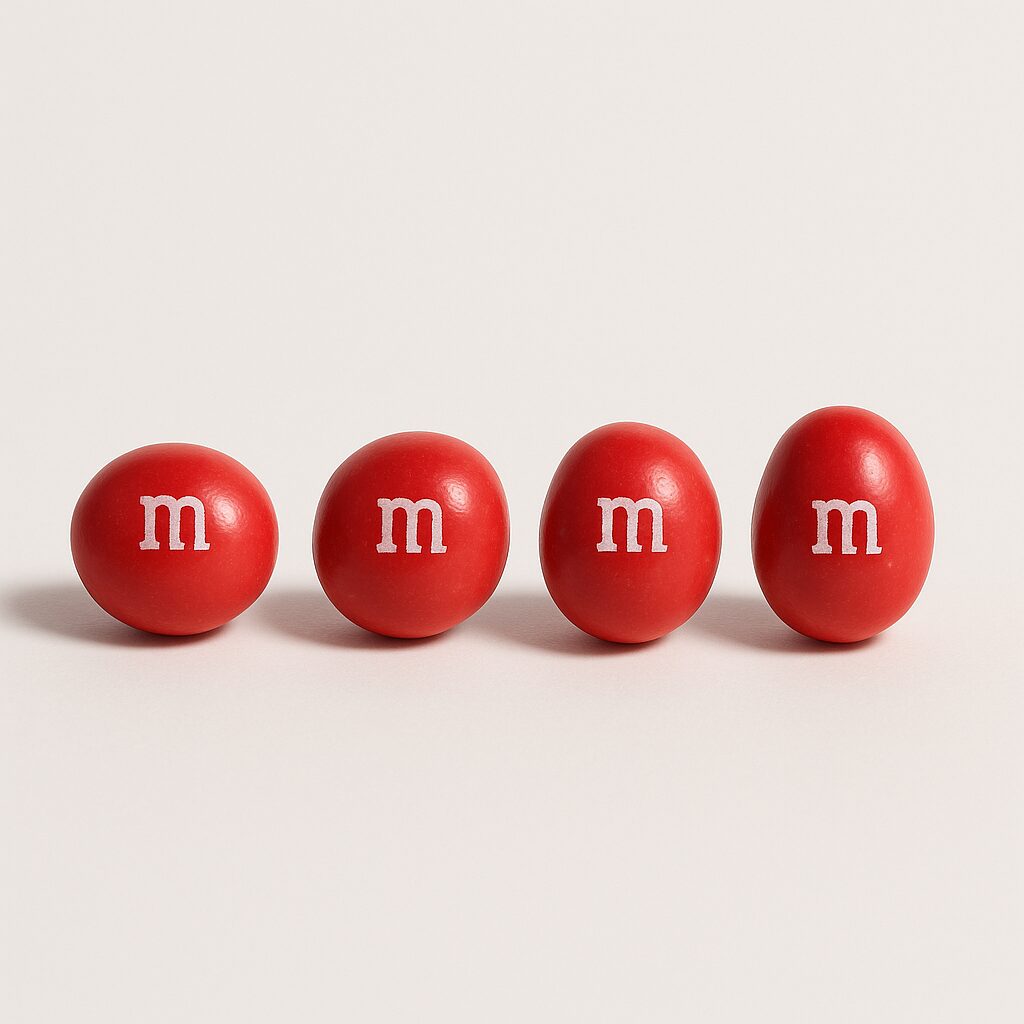
That pattern mirrors human genetics. Skin tone and hair type (the “shell”) vary on the surface, but meaningful biological traits—like lactose tolerance, malaria resistance, or altitude adaptation (the “filling”)—cut across color lines entirely. The traits that matter for survival and health do not cluster into the neat racial boxes we draw. They follow geography, climate, and chance, not categories.
Sorting people by race is like sorting M&Ms by color. It feels intuitive, but it tells us almost nothing about the true structure of human variation—or whether chocolate or peanuts are inside. The colors are real enough—we can see and describe them—but they do not define different species of candy, or of people. Race is a story told by the shell, not by the DNA inside.
That does not mean race is meaningless. It remains a powerful social reality, shaping identity, opportunity, and perception. But biology does not support the boundaries we imagine. The science of genetics tells a more intricate tale: one species, endlessly diverse, endlessly mixed, and far more alike than different.
If our differences are mostly color, perhaps our common work should be substance.
The real measure of a people—like the measure of the candy—is not how it looks in the bowl, but what it carries within—the content of our character. When we learn to sort less by shell and more by character, we begin to see that humanity’s greatest strength is not our uniformity, but our shared core beneath the color.
David L. Page, Ph.D. — davidpage@ieee.org
Lewontin, R. C. (1972). The Apportionment of Human Diversity. In T. Dobzhansky, M. K. Hecht, & W. C. Steere (Eds.), Evolutionary Biology (Vol. 6, pp. 381–398). New York: Springer.
Author’s Note
This post was developed with assistance from ChatGPT, an AI language model trained by OpenAI, which helped refine structure and clarity. The ideas and responsibility for them, however, remain my own. I use AI as a tool of inquiry—one more instrument in the long human project of learning how to see ourselves honestly.
