A recent exchange in local Knox County political circles turned on a simple phrase: “endorsements make for a lazy voter.”
The phrase sounds plausible. The phrase feels democratic. The phrase is also wrong.
The error does not rest in tone. The error rests in a misunderstanding of how a republic is designed to function.
The Voter Is Not the Unit of Analysis
Modern political instinct begins with the individual voter. That instinct asks each citizen to independently gather information, evaluate candidates, and render judgment in isolation.
The Founders did not design such a system.
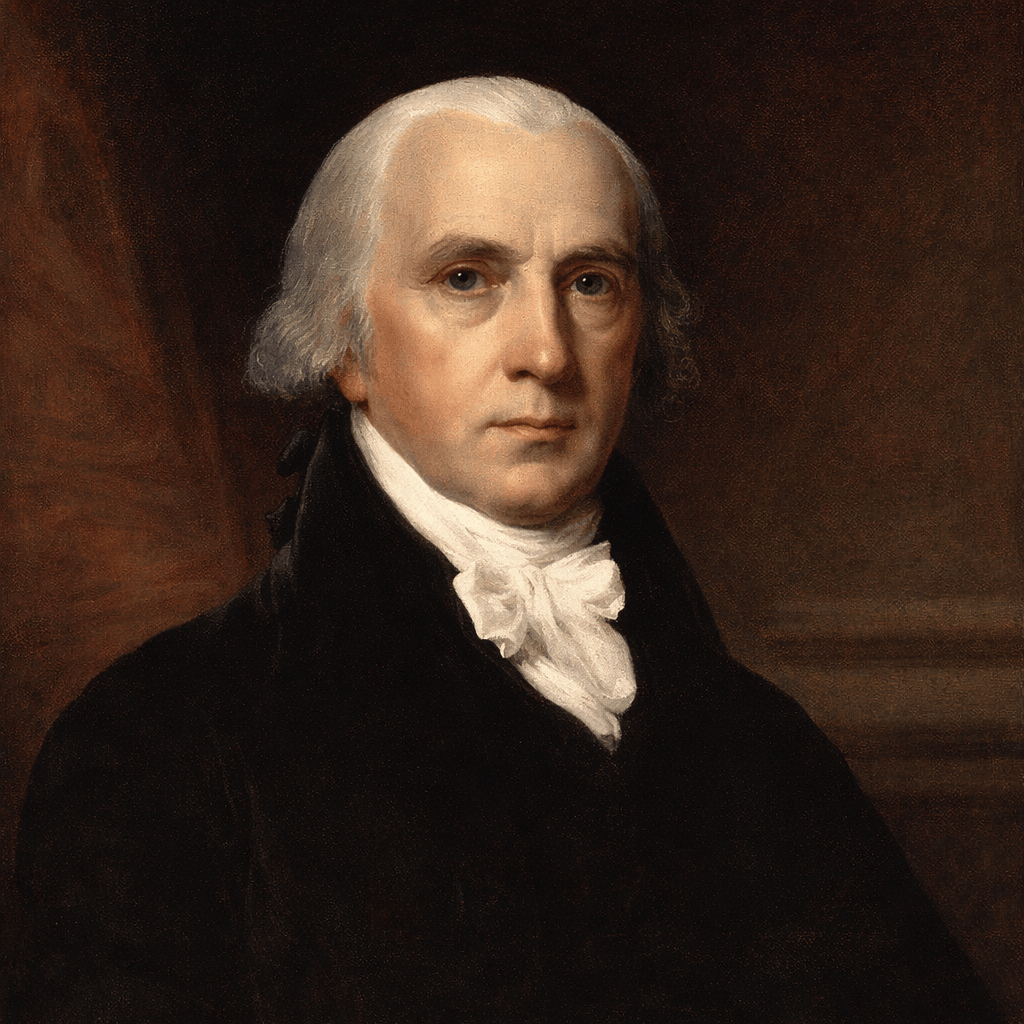
In Federalist No. 10, James Madison describes representation as a mechanism to “refine and enlarge the public views.” That refinement does not occur in a vacuum. That refinement occurs through layers—through institutions, through associations, and through structured deliberation.
A republic does not assume perfect voters. A republic builds processes that help imperfect voters choose well.
The question, then, is not whether endorsements make voters lazy. The question is whether endorsements participate in that process of refinement.
The Missing Layer Since 1968
Something changed in American politics in the late twentieth century.
Following the reforms of the 1960s, most notably after 1968, the party system underwent a steady democratization. Candidate selection moved away from party structures and toward open primaries. The intention was transparency. The result was fragmentation.
Candidates now assemble campaigns as independent enterprises:
- separate fundraising networks
- separate volunteer operations
- separate messaging strategies
The campaign becomes the unit of power.
The party, by comparison, becomes an afterthought.
A candidate who builds a campaign independent of party structure enters the general election owing little to the party and even less to long-standing party members. The campaign substitutes for the party. Loyalty flows upward to the candidate rather than outward to the institution.
That shift carries consequences.
Long-time party activists—those who attend meetings, organize voters, and sustain local engagement—find themselves sidelined. The institutional memory of the party weakens. The connective tissue between candidates and party erodes.
The system becomes louder. The system becomes more personality-driven. The system becomes less durable.
The Role of Local Associations
Alexis de Tocqueville observed something essential about American democracy: its strength lies not merely in elections, but in associations.
Americans form groups. Americans deliberate in those groups. Americans act through those groups.
Local party clubs belong to that tradition.
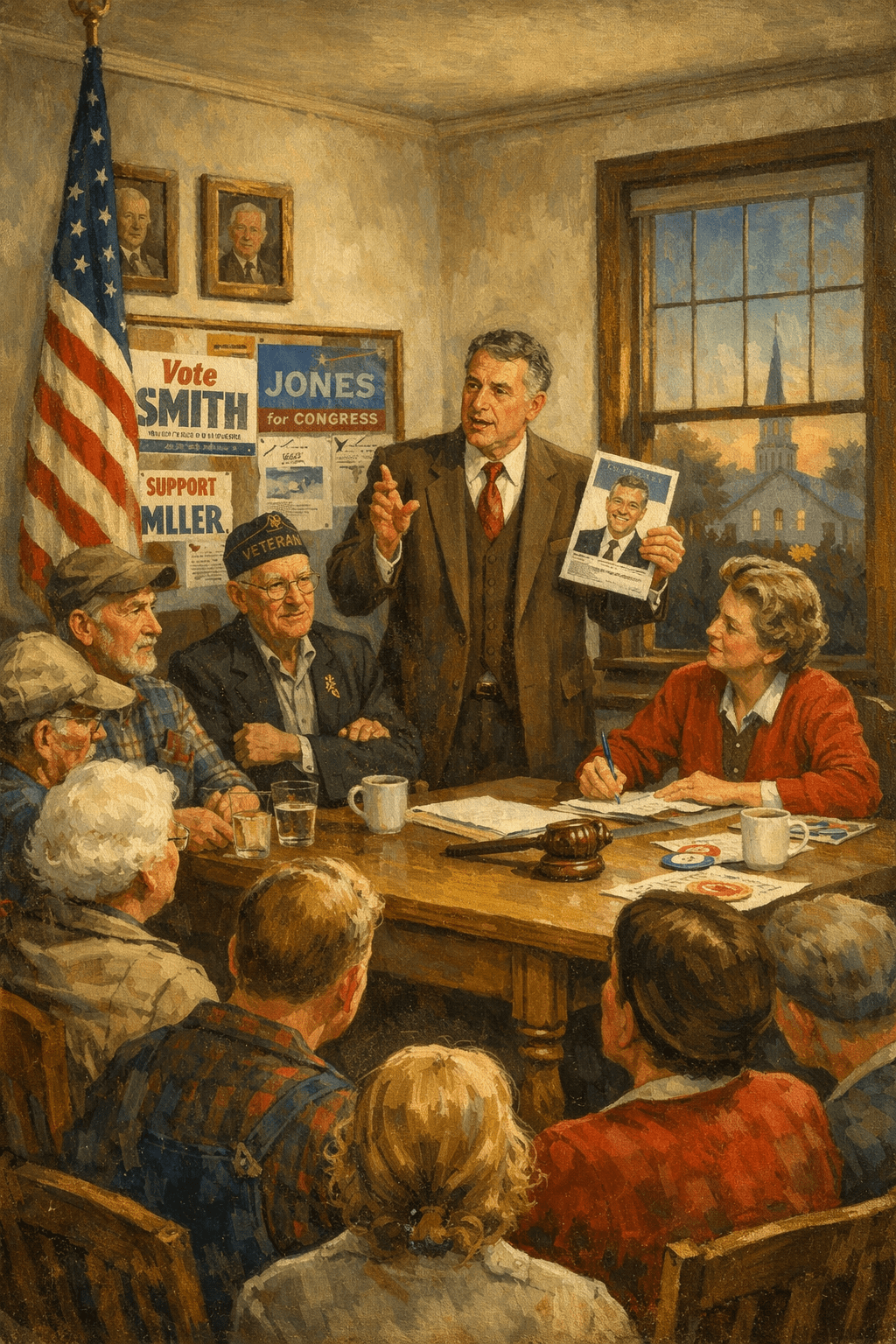
A local club is not a passive body. A local club is a deliberative body. Members gather, debate candidates, weigh competing visions, and arrive at a judgment. That judgment often takes the form of an endorsement.
Such an endorsement does not bypass the voter. Such an endorsement informs the voter. More importantly, such an endorsement restores a layer of institutional judgment that the modern primary system has weakened.
Neutrality and Its Limits
A county party must remain neutral in its own primary. That rule preserves fairness. The organization that administers the process should not influence the outcome.
That principle is sound.
That principle, however, does not require silence from every other part of the party ecosystem.
Local clubs are not referees. Local clubs are participants. A participant that refuses to deliberate and endorse abandons its role within the broader structure of the party.
Neutrality at the top does not require silence at the base.
Endorsements as Institutional Memory
Endorsements by local party clubs serve a deeper function than simple preference signaling.
Endorsements:
- express the judgment of engaged party members
- reinforce accountability between candidates and the party
- prevent campaigns from fully bypassing party structure
- preserve continuity across election cycles
Without such mechanisms, the party becomes a label rather than an institution. Candidates borrow the name. Candidates do not inherit the responsibility.
A republic cannot sustain itself on labels alone.
The Real Risk
The real risk does not lie in endorsements. The real risk lies in disintermediation.
When each candidate constructs a private campaign apparatus and each voter stands alone, the system loses its capacity to filter, refine, and stabilize political choice.
The Founders feared faction. The modern system amplifies faction by stripping away the very structures designed to manage it.
Local endorsements do not create faction. Local endorsements channel faction into deliberation. Club endorsements require members to deliberate, to weigh competing claims, and to filter choices. That process is the essence of a republican mechanism.
Deliberation at the local level has steadily weakened since 1968. As that layer receded, candidates grew less dependent on party institutions and more dependent on self-built campaign operations. The result is predictable. Candidates enter office owing little to the party and even less to long-standing party members.
Loyalty follows structure. When campaigns replace parties, loyalty shifts from institutions to individuals and, increasingly, to major donors who finance those independent operations.
The erosion of party structure often presents itself as democratic progress. The appeal is obvious. The effect is more subtle. The system gains participation but loses filtration.
Less party. More noise. Less republic.
Judgment, Not Silence
The call to eliminate endorsements often presents itself as a defense of voter independence. In practice, the call produces something else: institutional silence.
Silence does not strengthen a republic. Silence removes one of the mechanisms by which judgment is formed and shared.
A healthy system maintains balance:
- neutrality in administration
- activity in association
- judgment at every level
A county party can remain neutral. Local clubs can deliberate and endorse. Voters can decide.
Each part plays a role.
Remove one layer, and the structure weakens.
In Sum
The American system was not designed for isolated decision-making. The American system was designed for layered judgment.
Endorsements by local party clubs belong to that design.
They do not make voters lazy. They make parties functional.
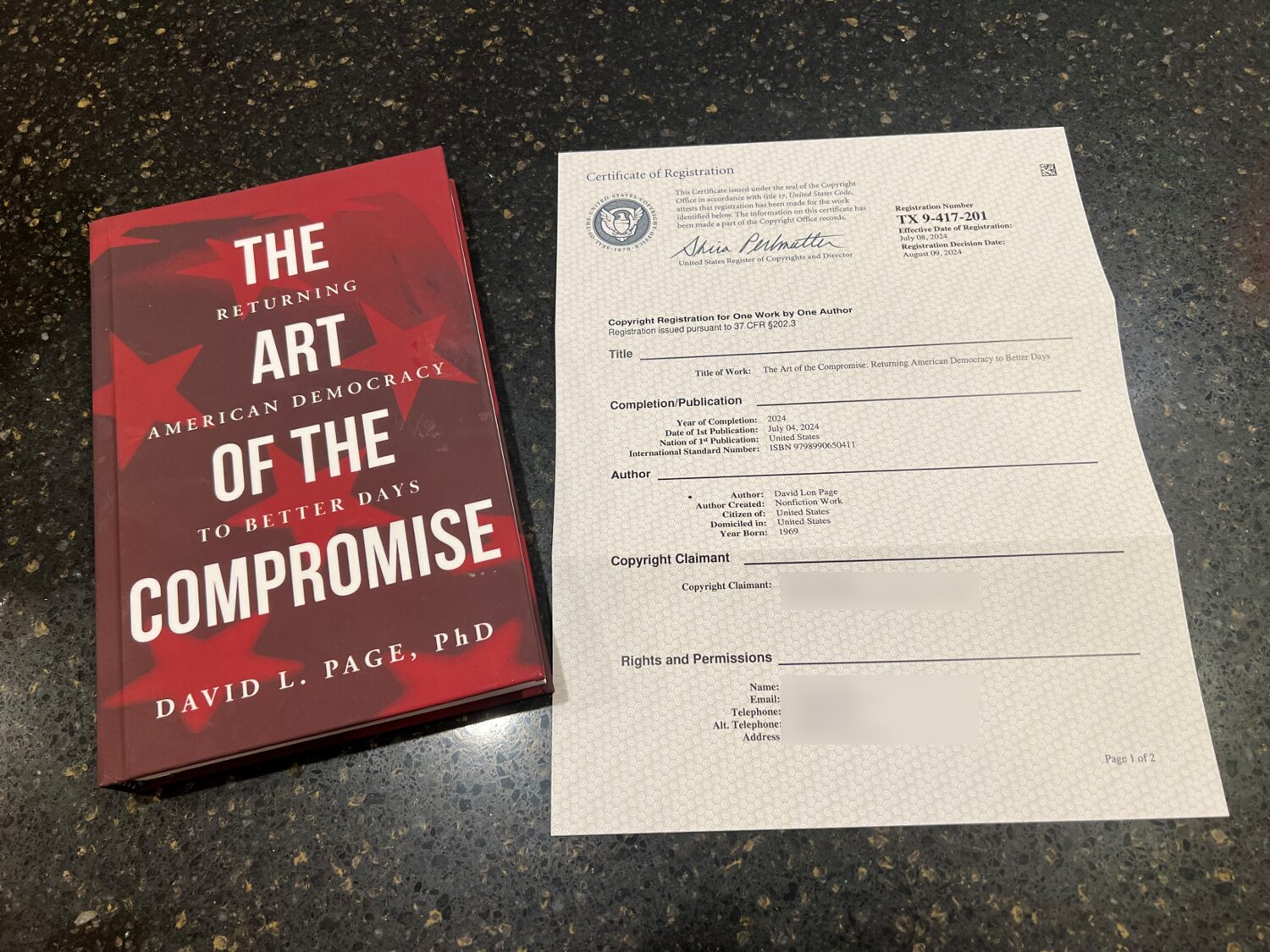
These arguments reflect a longer line of thinking developed over the past year and explored in recent writing.
AI Disclaimer: This post was written by a human who still believes in representative government. AI may have offered a suggestion or two, but no algorithm was permitted to vote, deliberate, or endorse.