On June 12, 1987, Ronald Reagan stood before the Brandenburg Gate in divided Berlin and delivered one of the defining speeches of the twentieth century.
“Mr. Gorbachev, tear down this wall.”
The moment carried more than theatrical power. Reagan’s challenge symbolized the exhaustion of an ideology that had dominated global politics for nearly a century. Marxism promised equality, justice, and liberation from exploitation. Marxism instead delivered secret police, mass graves, bread lines, prison camps, and walls built to keep citizens from escaping paradise.
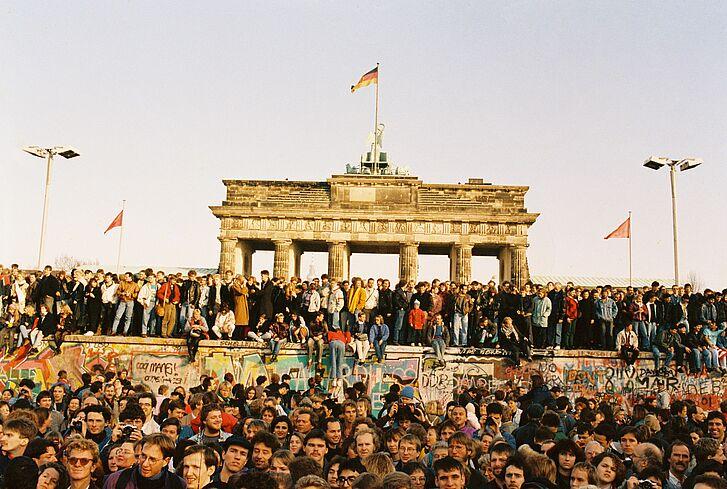
Two years later, the Fall of the Berlin Wall began. By 1991, the Soviet Union collapsed. Communist socialism died not with triumphal fanfare, but with bureaucratic decay and economic failure. The revolutionary future imagined by Karl Marx ended beneath concrete rubble and rusting statues.
Most Americans know the broad outline of that story.
Far fewer Americans understand how close the United States once came to drifting toward the same ideological storms that consumed much of Europe during the late nineteenth and early twentieth centuries.
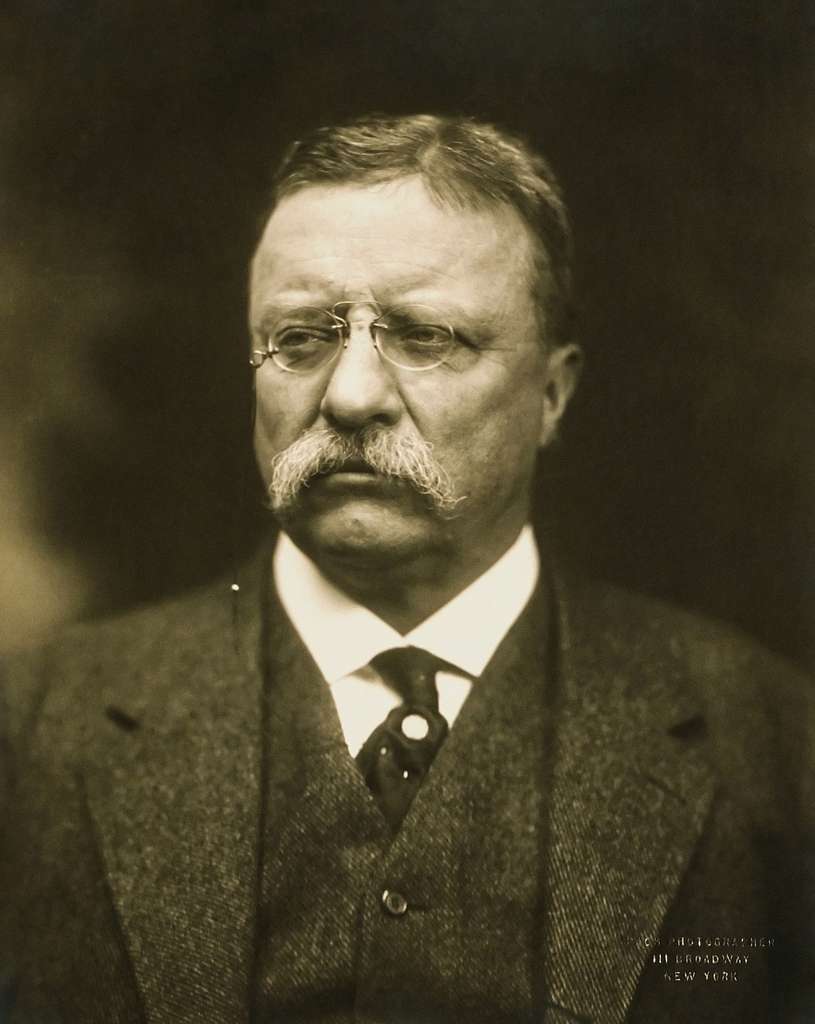
Theodore Roosevelt helped prevent that drift.
Modern political categories often distort Roosevelt’s historical role. Progressives claim Roosevelt as an early champion of activist government. Conservatives often view Roosevelt with suspicion because of federal expansion and trust-busting campaigns. Both interpretations contain fragments of truth, yet neither interpretation captures Roosevelt’s larger strategic importance.
Roosevelt did not preserve socialism in America.
Roosevelt preserved capitalism in America.
More importantly, Roosevelt preserved the legitimacy of the American constitutional system during an age when large portions of the industrialized world were losing faith in liberal republican government altogether.
That achievement deserves far more attention than modern political tribalism usually allows.
Industrial Power and Revolutionary Pressure
America at the dawn of the twentieth century stood inside a dangerous historical moment. Industrialization transformed the nation with astonishing speed. Railroads stitched together continents. Steel production exploded. Oil fortunes emerged almost overnight. Massive corporations accumulated wealth and power on a scale previously unknown in human history.
The same industrial transformation also produced brutal labor conditions, political corruption, urban slums, child labor, dangerous factories, and staggering inequality between industrial magnates and ordinary workers.
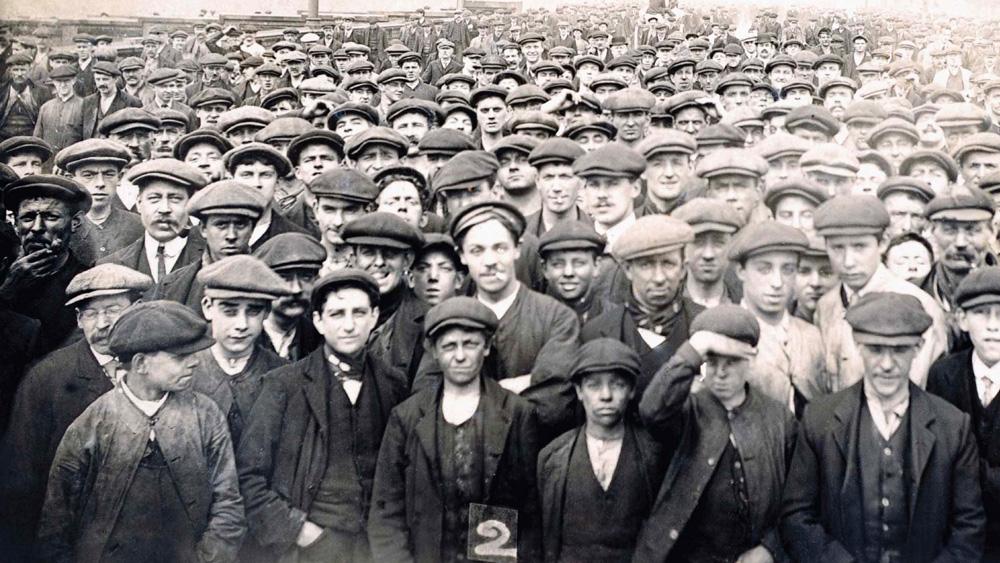
Across Europe, revolutionary movements gained momentum from those grievances.
Marxist parties spread through industrial cities. Labor unrest intensified. Anarchists assassinated political leaders. Revolutionary rhetoric moved from obscure pamphlets into crowded streets and factory halls. Tsar Alexander II of Russia fell to an assassin’s bomb in 1881. European elites increasingly feared class warfare and social collapse.
The United States did not stand outside those currents.
American cities experienced violent labor unrest throughout the late nineteenth century. The Haymarket affair in Chicago during 1886 linked labor radicalism and anarchist violence in the public imagination. The Pullman Strike during 1894 paralyzed rail traffic across much of the country. Wealth concentration reached extraordinary levels during the so-called Gilded Age.
Then, in 1901, an anarchist assassinated William McKinley.
The assassination mattered beyond tragedy alone. The murder symbolized the growing ideological instability of the industrial age. Revolutionary anger no longer remained confined to Europe. Revolutionary anger had arrived on American shores.
Into that atmosphere stepped Theodore Roosevelt.
Theodore Roosevelt: Reform as Counter-Revolution
Roosevelt recognized a danger that many industrial elites refused to acknowledge. Ordinary Americans would eventually lose faith in constitutional government if government appeared to function solely as a bodyguard for concentrated wealth and corporate power.
Roosevelt therefore pursued a profoundly strategic form of reform.
Roosevelt never sought to abolish capitalism. Roosevelt admired energy, production, industrial growth, competition, and national strength. Roosevelt celebrated American dynamism. Roosevelt also understood that concentrated economic power could become politically destabilizing when citizens believed corruption and monopoly had captured republican institutions.
Modern rhetoric often portrays Roosevelt as anti-business. Historical reality reveals something more nuanced and far more interesting.
Roosevelt sought to save American capitalism from self-destruction.
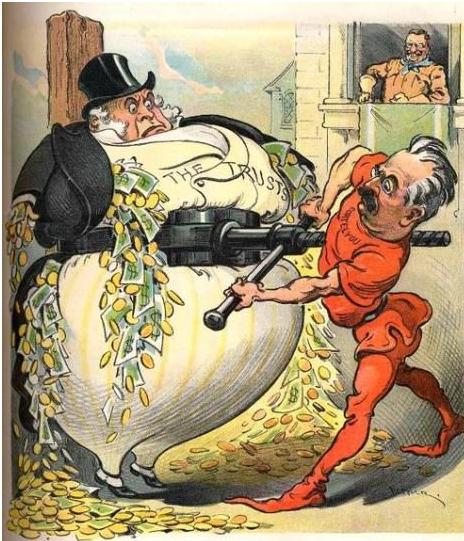
The famous trust-busting campaigns illustrate the distinction clearly. Roosevelt did not oppose scale itself. Roosevelt did not seek national ownership of industry. Roosevelt instead distinguished between productive corporations serving national prosperity and abusive monopolies undermining public trust.
Roosevelt attacked “bad trusts” not because Roosevelt hated markets, but because unchecked concentrations of power threatened the legitimacy of markets.
That distinction separated Roosevelt from the revolutionary left.
Socialists argued private ownership itself constituted the problem. Marxists viewed class conflict as inevitable and revolutionary overthrow as necessary. Roosevelt rejected both assumptions. Roosevelt believed constitutional government could correct excesses without destroying the broader system of private enterprise and republican liberty.
Roosevelt essentially stole political momentum from the radical left by acknowledging enough legitimate grievances to keep ordinary Americans invested in the constitutional order.
That achievement may represent Roosevelt’s greatest contribution to American history.
Historical comparison reveals the importance of Roosevelt’s approach.
Imperial Russia resisted meaningful reform for decades. Russian elites clung to rigid hierarchy while revolutionary resentment accumulated beneath the surface. The result eventually arrived during 1917 with the Bolshevik Revolution and decades of communist dictatorship.
Large portions of Europe experienced similar turmoil through fascism, communism, revolutionary socialism, and political extremism during the twentieth century.
The United States followed a different path.
American reform movements repeatedly channeled social pressure back into constitutional mechanisms rather than revolutionary rupture. The Progressive Era, labor reforms, antitrust actions, and later New Deal policies all reflected a distinctly American instinct toward adaptation rather than systemic overthrow.
James Madison would likely recognize the pattern.
Madison understood that republics survive not by eliminating factions, but by managing factions within legitimate political structures. Roosevelt applied a similar logic to industrial capitalism. Corporate power had grown large enough to destabilize public confidence in the republic itself. Roosevelt responded not with revolution, but with calibrated reform strong enough to restore legitimacy without destroying the constitutional framework.
Roosevelt therefore occupied a strange political position that modern Americans often struggle to categorize properly.
Roosevelt embraced nationalism, military strength, industrial capitalism, conservation, labor mediation, elite leadership, and federal oversight simultaneously. Roosevelt rejected both laissez-faire passivity and revolutionary socialism. Roosevelt instead sought a muscular constitutional republic capable of adapting to modern industrial society without surrendering either economic dynamism or political stability.
Such a balancing act required political courage.
Large corporate interests viewed Roosevelt as dangerous. Revolutionary activists viewed Roosevelt as insufficient. Roosevelt nevertheless understood that republics rarely die from criticism alone. Republics die when ordinary citizens conclude existing institutions no longer deserve loyalty.
Roosevelt fought to prevent Americans from reaching that conclusion.
Reagan, Roosevelt, and the Preservation of the American Republic
The strategic importance of Roosevelt’s presidency becomes easier to see when viewed beside Reagan standing before the Berlin Wall decades later.
Reagan announced the exhaustion of Soviet communism before a global audience. Reagan helped deliver the final symbolic blow against the revolutionary Marxist project that dominated much of the twentieth century.
Yet Roosevelt arguably helped secure an even earlier victory.
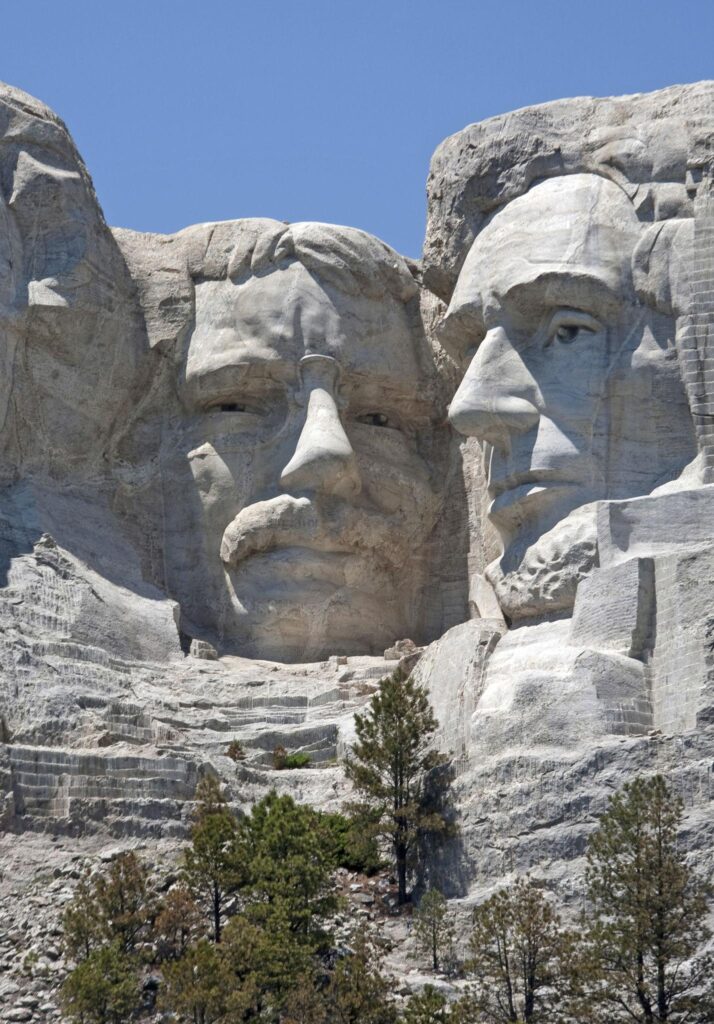
Roosevelt helped ensure communism never captured the American soul in the first place.
Theodore Roosevelt preserved the American center by stealing enough thunder from the radical left to keep the republic legitimate.
Few achievements in American political history carry greater importance than that.
Disclaimer: Artificial intelligence assisted portions of the research, editing, and drafting process behind this essay. Theodore Roosevelt would almost certainly have challenged the algorithm to a boxing match, accused the machine of insufficient vigor, and then sent the remains on a cattle drive through the Dakotas. Ronald Reagan likely would have smiled, delivered a one-liner about “trust but verify,” and quietly asked whether the Soviets had a larger server farm. Karl Marx, meanwhile, would probably demand collective ownership of the GPUs. Regardless, responsibility for the arguments, historical interpretation, strategic conclusions, and dangerously high confidence in the durability of the American republic remains entirely human.