Elections determine who wins. Character determines how we behave when we lose.
One of the most overlooked tests of republican government is not how we behave after victory.
It is how we behave after defeat.
Most politicians speak eloquently about unity when they win. The harder question is what happens when they lose. Can they accept the judgment of voters? Can they continue governing in good faith? Can they place the long-term health of the community above the short-term satisfaction of settling scores?
Those questions have been on my mind as I have watched the aftermath of the recent Knox County Republican primary and the subsequent county budget vote.
This blog post is not one that I wanted to write. It would be easier—and certainly more enjoyable—to criticize Democrats. But if republican government means anything, it means holding our own side to the same standards we expect of others. The principles of self-government cannot apply only when they are politically convenient.
I do not claim to know the motives of each commissioner who supported the budget. Some may sincerely believe it was the best policy available. Yet politics is not merely about intentions. It is also about appearances, incentives, and public trust.
To many observers, the vote creates the appearance of an outgoing coalition using its remaining authority to constrain an incoming coalition that recently prevailed at the ballot box. Whether that perception is fair or not, it should concern anyone who values republican government.
Citizens must believe that elections have consequences. When voters render a verdict, the losing side has every right to disagree. It does not have the right to behave as though the verdict never occurred.
James Madison understood that factions are inevitable. What makes a republic work is not the elimination of factions, but their willingness to coexist within a common constitutional framework. That requires a degree of self-restraint that is often in short supply.
The blog-o-sphere commentary surrounding this vote has only deepened my concern. Rather than displaying disappointment tempered by respect for fellow Republicans, some posts have reflected bitterness, resentment, and a desire to punish those who supported different candidates.
That is not coalition-building.
That is factionalism.
A faction seeks victory.
A republic requires governance.
The distinction matters.
In a healthy political system, today’s winner may be tomorrow’s loser. The habits we establish after defeat become the precedents we live under after victory. If we normalize spite, score-settling, and political retaliation when we lose, we should not be surprised when others do the same when their turn comes.
Republican government demands something better.
It asks us to accept outcomes we dislike.
It asks us to continue working with people we opposed.
It asks us to remember that our political opponents are not enemies, but fellow citizens.
That is not weakness.
That is self-government.
And it is often hardest to practice precisely when we have just lost.
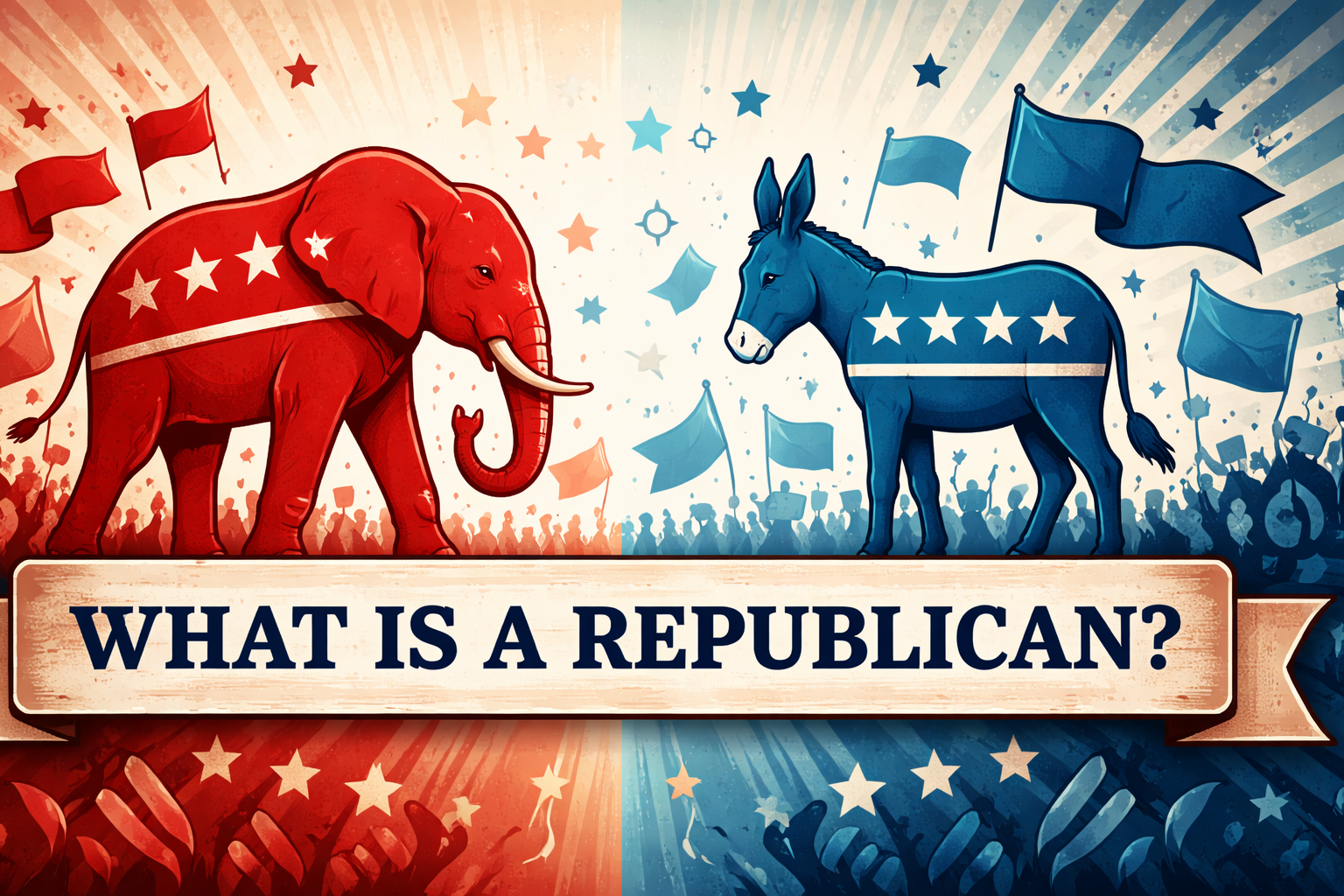
AI Disclosure: Artificial intelligence tools assisted in the preparation of this article and the creation of accompanying images. The views expressed are solely those of the author and should not be construed as representing the views of any employer, client, organization, political party, or public official.