
I did not expect to live to fifty.
That line followed me for most of my life. I delivered it half as a joke, half as a quiet assumption. At some point, the line became an internal horizon—never urgent, never examined too closely, but always present.
My father died at forty-eight.
I was twelve.
No philosophy prepares a boy for that moment. No system explains the silence that follows. A household changes. Conversations shift. Adults carry a kind of weight that children can see but cannot name.
Death did not arrive as an abstraction. Death arrived as an event that reshaped the room.
I watched what death did to people. I remember the funeral, the wake, the years that followed. Adults in my life who knew my father treated me differently than other kids my age.
Fear settled in others in places where confidence once stood. Words like “someday” and “later” took on a different tone. Plans grew cautious. Voices grew quieter. Death lingered in the background of ordinary conversations.
I do not remember fearing death itself. The fear took a different form. I do remember worrying about salvation. I remember the urgency of that question and the weight placed on it. Was there an afterlife? What came after death? That concern found resolution in the Baptist church. The fear eased. The question settled.
What remained was something quieter.
What about death itself?
Over time, death became familiar.
Not an obsession. Not a fixation. Familiar in the way a distant storm becomes part of the landscape. Present, but not demanding attention. I spoke about my own death more easily than most people preferred. The tone did not match the subject. Humor sat too close to the edge.
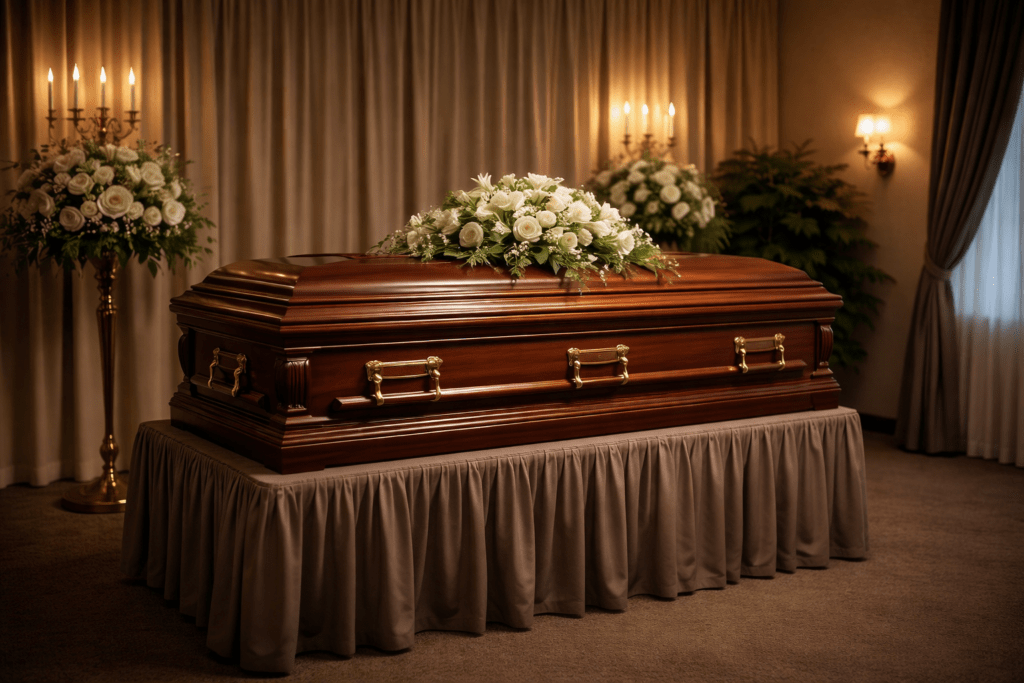
The reaction never made sense to me. Death felt like a taboo rather than a topic of polite conversation. Mentioning my own death often drew discomfort. People changed the subject or said, “David, stop that.”
The fact of death seemed obvious. The timing remained uncertain. The only variable under partial control was how one moved through the time in between.
Years later, I came across Michel de Montaigne and his Essais. One phrase stood out: to study philosophy is to learn how to die.
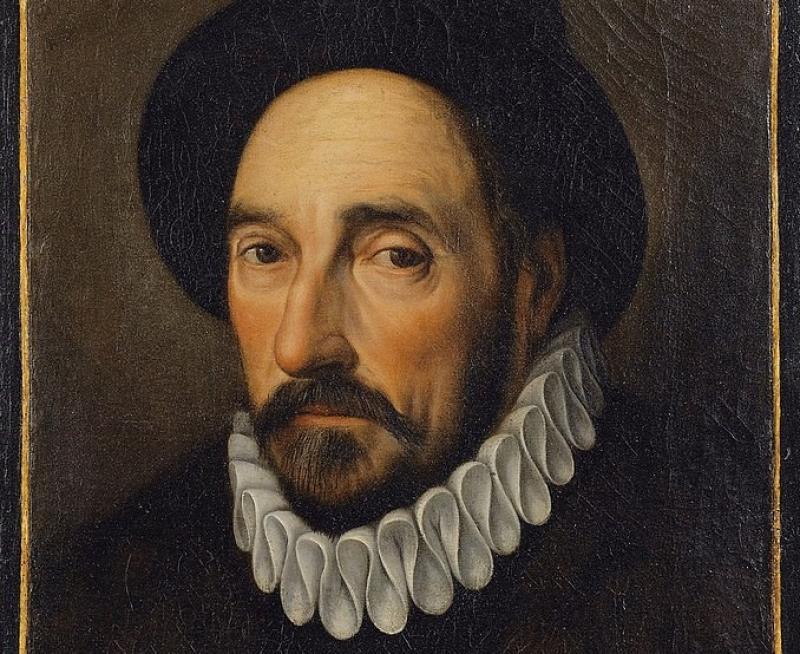
The sentence did not feel foreign. The sentence felt familiar.
Montaigne did not write about death as an ending. He wrote about death as a boundary that gives shape to life. A person who has come to terms with that boundary moves differently. Fear loosens its grip. Urgency becomes clearer. Trivial concerns fall away without ceremony.
That posture had been present in my life long before I had language for it. Montaigne gave me confidence in my relationship with death—a relationship that made others uncomfortable.
The expectation of an early end never produced despair. The expectation produced a kind of freedom. Decisions felt lighter. Risks felt acceptable. The need to preserve an image or protect a reputation carried less weight.
The horizon sat closer. The view became sharper.
At fifty, I sat in a doctor’s office with Showwalter—“Show-Daddy,” as Lisa calls him—and told him, with a bit of satisfaction, that his job was done. I had made it.
He did not laugh.
I told him again that I never expected to live past fifty, and that he had done his job getting me there.
He looked at me and said, “We need to get you some new goals.”
The response lingered longer than the joke.
I have often described the kind of life I want in terms that sound more mechanical than philosophical.
I do not want to arrive at the end like a pristine Volvo—well maintained, carefully preserved, protected from wear. That path offers safety and order. That path minimizes damage.
That path also minimizes travel.

I would rather arrive like a Camaro that has seen the road. Dings in the doors. Paint worn thin in places. Headlights slightly out of alignment. Evidence of miles traveled and risks taken. A machine used for its intended purpose rather than preserved for display.
The image is imperfect. The meaning holds.
The joke about not expecting a long life has softened over time. Fifty arrived. Fifty passed. The horizon moved.
My doctor was right. A new set of goals becomes necessary when an old assumption expires. The absence of an expected ending creates space for a different kind of question.
Not how long.
How well.
John Donne captured something similar in Death Be Not Proud. Death loses its authority when confronted directly. The fear diminishes. The posture changes. A person who no longer grants death its dominance regains something that had been quietly surrendered.
Control does not return.
Clarity does.
Montaigne wrote essays as attempts—efforts to understand a life in motion. No final answers. No fixed conclusions. A series of reflections shaped by experience.
That method feels appropriate here.
A boy who saw death early learned to live without waiting for guarantees. A man who expected an early end found freedom in that expectation. A man who reached fifty discovered that the horizon can move without warning.
The lesson remains.
Learn how to die, and the rest tends to follow.
AI Disclaimer:
Artificial intelligence assisted in shaping this essay. Montaigne supplied the philosophy. Life supplied the dents.